
Have you ever wondered how long it’s safe to leave cooked or uncooked meat sitting out at room temperature? If you have, then this blog post is for you!
Learning about the safety of leaving your food out and proper storage techniques can save you from getting a nasty foodborne illness. So if you want to ensure that your dish remains unspoiled and free of harmful bacteria, read on how long can meat sit out!
How Long Can Meat Sit Out
Meat can sit out for a maximum of two hours at room temperature (or one hour if the temperature is above 90°F).
The amount of time that meat can sit out depends on the temperature of the environment. The USDA’s two-hour rule states that perishable food, such as meat, poultry, fish, eggs, and dairy products, should not be left out at room temperature for more than two hours. After two hours, the risk of foodborne illness increases significantly.
If the temperature is above 90 degrees Fahrenheit, the one-hour rule applies. Meat can sit out for a maximum of one hour in hot weather.
Here is a table that summarizes the two-hour and one-hour rules for leaving meat out:
| Temperature | Time Limit |
|---|---|
| Below 90 degrees Fahrenheit | 2 hours |
| Above 90 degrees Fahrenheit | 1 hour |
The two-hour and one-hour rules for leaving meat out
How Long Can Raw Meat Sit Out
Raw meat can sit out at room temperature for a maximum of two hours. Because the temperature range between 40°F and 140°F is the “Danger Zone,” in which bacteria can grow rapidly. After two hours, the bacteria in the meat can grow to levels that can make you sick.
If the temperature is above 90°F, the time limit is one hour. This is because bacteria grow even faster in warmer temperatures.
How Long Can Cooked Meat Sit Out
Similar to raw meat, cooked meat should not be left out at room temperature for an extended period to avoid the risk of foodborne illnesses. The guidelines for cooked meat are also based on the “2-hour rule” and the temperature danger zone.
The temperature danger zone refers to the range of temperatures between 40°F and 140°F (4°C and 60°C), within which bacteria can grow rapidly. To ensure food safety, cooked meat should not be kept in this temperature range for more than two hours.
If the ambient temperature is above 90°F (32°C), the safe time limit is one hour. Hot weather can accelerate bacterial growth, making it riskier to leave cooked meat out for an extended period.
How Long Can Frozen Meat Sit Out
Frozen meat can not be left out at room temperature. The USDA does not recommend thawing meat at room temperature. The two-hour and one-hour rules do not apply to frozen meat.
Never thaw frozen meat on the counter. The safest way to thaw frozen meat is in the refrigerator. This will take several hours, but it is the safest way to thaw meat.
If you need to thaw frozen meat quickly, you can thaw it in cold water. Submerge the frozen meat in a bowl of cold water and change the water every 30 minutes. This will thaw the meat in about an hour.
Once the meat is thawed, you can cook it immediately or store it in the refrigerator for later use. Do not refreeze thawed meat.
Here are some tips for thawing frozen meat safely:
- Thaw frozen meat in the refrigerator.
- If you need to thaw frozen meat quickly, thaw it in cold water.
- Do not refreeze thawed meat.
Does Keeping Meat Out For A Long Time Lose Nutrients?
Yes, keeping meat out for a long time can lead to nutrient loss. This is because the nutrients in meat can break down over time, especially when exposed to air, light, and heat.
The specific nutrients that are lost when meat is left out depend on the type of meat and the cooking method. Include:
- Vitamin C
- B vitamins, such as thiamin, niacin, and riboflavin
- Iron
- Zinc
- Protein
The amount of nutrient loss also depends on the temperature of the environment. Meat that is left out at room temperature will lose nutrients more quickly than meat that is kept in the refrigerator.
How To Know Raw Meat Has Gone Bad?
Here are some telltale signs that can help you determine if raw meat has gone bad:
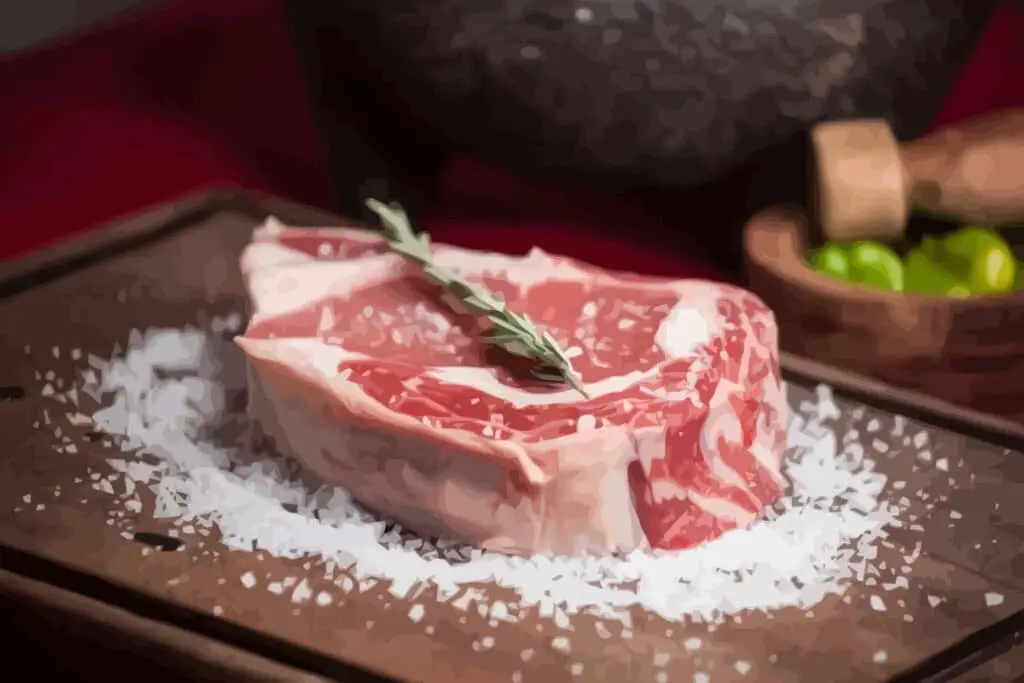
- Examine the Color: Fresh raw meat should have a vibrant, bright color. However, if you notice any discoloration, such as a dull or grayish appearance, it is likely a sign that the meat has spoiled.
- Check for Foul Odor: Fresh meat typically has a neutral or slightly iron-like smell. But if you detect a strong, unpleasant odor resembling sulfur or ammonia, it’s a clear indication that the meat has gone bad and should be discarded immediately.
- Assess the Texture: Give the meat a gentle touch. If it feels slimy or sticky, it is a key indicator of bacterial growth and spoilage. Fresh meat should have a smooth and slightly firm texture.
- Look for Mold: It’s common for mold to develop on spoiled food, and raw meat is no exception. If you spot any fuzzy green, white, or black growth on the meat’s surface, it has undoubtedly gone bad and poses a health risk.
- Notice the Expiry Date: Always check the package for the “use by” or expiration date. If the meat has surpassed this date, it is safer to discard it rather than taking any chances.
- Consider Freezer Burn: Freezer burn occurs when meat is improperly stored and exposed to air. Although it won’t necessarily make the meat unsafe to eat, the texture and taste will be adversely affected. If you notice dry or discolored patches on the meat, it is likely freezer-burned.
- Pay Attention to Off-Gassing: If the meat has been packaged, check for any signs of air pockets or bloating. A swollen package and the sound of gas escaping upon opening are indications of bacterial growth and spoilage.
Dangers Involved With Leaving Raw Meat Out
There are many potential dangers involved with leaving raw meat out for too long, including the risk of bacterial growth or spoilage. This can lead to a number of negative health consequences, such as foodborne illness and other serious infections.
Additionally, leaving raw meats unrefrigerated for too long may increase their exposure to harmful chemicals or contaminants, which can further increase the risk of illness or infection. To prevent these dangers, it is important to be aware of any general recommendations or guidelines for storing and handling raw meats, as well as paying close attention to changes in the smell, appearance, or texture of your meat.
You should also avoid leaving raw meats out for long periods of time, especially in hot or humid environments. Finally, if you do suspect that your raw meats may have gone bad, it is important to take appropriate measures to disinfect all surfaces and utensils that they may have come into contact with, as well as consult a medical professional for further guidance.
Signs That Meat Has Gone Rancid
Rancid meat is meat that has spoiled due to the oxidation of its fats. This process produces a foul odor and unpleasant taste that can make the meat unsafe to eat.
There are a few signs that meat has gone rancid. These include:
- A strong, foul odor. Rancid meat will have a strong, unpleasant odor that is often described as “off,” “sour,” or “putrid.”
- A slimy or sticky texture. Rancid meat may have a slimy or sticky texture.
- A change in color. Rancid meat may change color from its natural color to a gray, brown, or green color.
- A change in texture. Rancid meat may become tough, dry, or crumbly.
- A change in taste. Rancid meat may have a sour, bitter, or metallic taste.
If you notice any of these signs, it is best to throw the meat away. Do not taste the meat to see if it is safe to eat. Rancid meat can cause food poisoning, which can lead to nausea, vomiting, diarrhea, and other symptoms.
How To Properly Store Meat in the Fridge/Freezer
There are a number of steps that you can take to properly store meat in the fridge or freezer, including using an ice chest or cooler when transporting, and storing it at the proper temperature once you get home. One key step is to keep your meat in airtight containers or wraps to protect it from exposure to outside contaminants and odors.
https://youtube.com/watch?v=4gydjC7u1Fc%3Ffeature%3Doembed
How to Keep Your Meals Safe by Employing Food Safety Practices
When it comes to food safety, one of the most important questions is “how long can meat sit out?” In general, cooked meats should not be left at room temperature for more than two hours. Any longer than this and bacteria will start to grow on the surface of the meat, making it unsafe to consume. Additionally, if temperatures exceed 90 degrees Fahrenheit, then the two hour window is even shorter.
In order to ensure safety, it is important that you store cooked meat as soon as possible after it has been cooked. If you are not able to refrigerate or freeze the food within two hours, then consider splitting up large portions into smaller pieces and spreading them out on a platter. This will aid in cooling the food faster and keeping it at safe temperatures for longer periods of time.
It is also important to take into account that certain types of meat, such as poultry, should not be left out more than one hour due to their high risk of carrying bacteria. To avoid any potential risks, always make sure to store cooked poultry immediately after it has been cooked.
In addition to storing food safely, there are other important steps you can take to ensure your meals are safe. Make sure all equipment and surfaces used for meal preparation is thoroughly cleaned before and after use. Additionally, always practice proper hygiene when handling food by washing hands with soap and water for 20 seconds before, during and after food preparation.
By following these tips, you can ensure that your meals are safe for consumption. Remember to keep meats refrigerated or frozen as soon as possible after cooking and always practice proper hygiene when handling food. How long can meat sit out? Not more than two hours or one hour for poultry. By following these food safety practices, you can keep your meals safe and delicious.
The Role of Temperature in Keeping Meat Fresh
In addition to the recommended two-hour time limit for leaving cooked meat out at room temperature, it is important to take into account the role of temperature in keeping your meat fresh. As mentioned previously, if temperatures reach 90 degrees Fahrenheit or higher, then the two hours will be reduced. This is due to bacteria growth rate increasing when temperatures go up. You can use a food thermometer to take the temperature of your cooked meat, so you know when it is safe to leave out at room temperature.
When storing cooked meat in the refrigerator or freezer, it is important to keep temperatures consistent and below 40 degrees Fahrenheit in order to prevent bacterial growth. Make sure to wrap leftovers tightly in plastic wrap or an airtight container prior to storing. Additionally, it is recommended to use leftovers within 4 days if kept at a refrigerator temperature of 40 degrees Fahrenheit or below and within 3-4 months if stored in the freezer.
By taking into account both the time limit for cooked meat sitting out at room temperature and the role of temperature in keeping meat fresh, you can ensure that your meals are both safe and delicious. How long can meat sit out? Not more than two hours or one hour for poultry, depending on the temperature. When it comes to storing cooked food, always make sure to keep temperatures consistent and below 40 degrees Fahrenheit. By following these tips, you can enjoy your meals with confidence knowing they are safe and well preserved.
Important Tips for Handling, Storing, and Cooking Meats
In addition to understanding how long can meat sit out, it is also important to know the proper tips for handling, storing, and cooking meats. First off, always make sure that you defrost frozen foods in the refrigerator or using cold water. Additionally, when preparing raw meats, ensure that they are cooked thoroughly to an internal temperature of 165 degrees Fahrenheit. To prevent cross contamination, it is critical to keep raw and cooked foods separate when handling and storing them.
When shopping for meats, make sure you select quality products that are labeled with a sell-by date. And always store the meat in its original package or an airtight container in the refrigerator and use within one to two days. How long can meat sit out? Not more than two hours or one hour for poultry, depending on the temperature. When it comes to storing and handling meats, always practice safe food preparation techniques to keep your meals safe and delicious.
By understanding how long can meat sit out and following important tips for handling, storing, and cooking meats, you can ensure that your meals are both safe and enjoyable. How long can meat sit out? Not more than two hours or one hour for poultry, depending on the temperature. But with proper hygiene practices and the right tips for handling, storing, and cooking meats, you can keep your meals healthy and delicious.